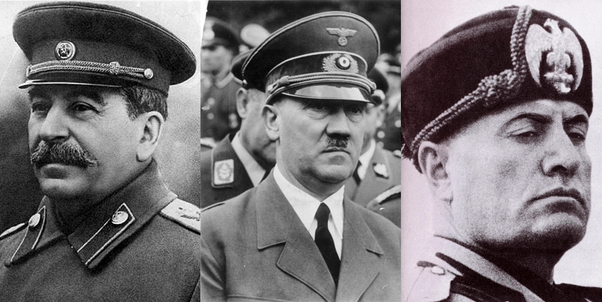
A common theme exists in the rise of totalitarians, Mussolini, Stalin, and Hitler: pure chaos in war-exhausted countries. Dreadful conditions resulting post World War I bled and festered unrest and despair as well as political, economic, and social chaos across Europe. These desperate conditions invited charismatic presences, self-proclaimed heroes to rescue Italy, Russia, and Germany from the darkness, inspire hope and unity within their broken nations, and ultimately restore these nations to their former glory. Mussolini, Stalin, and Hitler used charisma, manipulation, and force to take power and control of their countries.
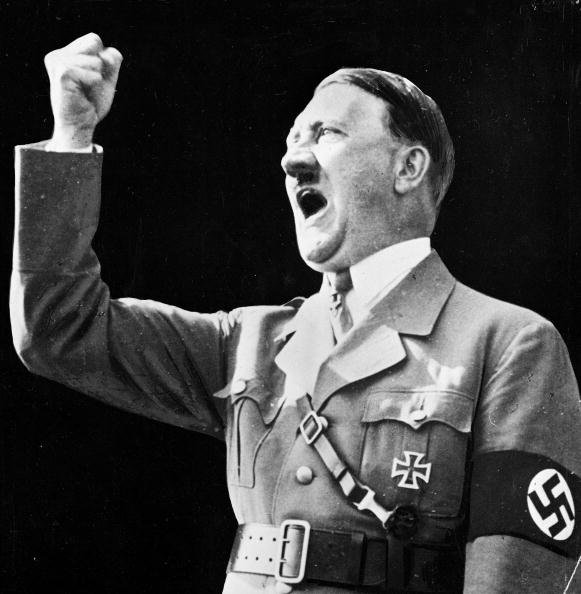
World War I ravaged Europe, especially Germany. The Treaty of Versailles forced Germany to accept blame for World War I and imposed reparations to pay for the devastation. Germany experienced the humiliation of territory losses and military reduction and disarmament. Exorbitant reparations pushed Germany to economic collapse. The Allies’ Armistice Demands on Germany were incredibly harsh and showed us that the end of a war does not necessarily mean the beginning of peace. Hitler wanted revenge on the Traitors of November as well as the Jews. Hitler vowed to go to extremes to rid Germany of racially impure populations, paving the way for the master Aryan race and the rebirth of Germany’s glory. The appeasement Hitler received from Great Britain proved not enough for Hitler. Chamberlain overlooked Hitler and his goals and objectives. Chamberlain saw the meeting and the concessions as a sign of peace or perhaps an attempt to increase peace. Chamberlain and the Allies were not checking on Hitler or the aggression rising from the German defeat. Clearly, Chamberlain failed to consider Hitler feeding on that aggression, growing more powerful, reloading and rebuilding, and dominating.
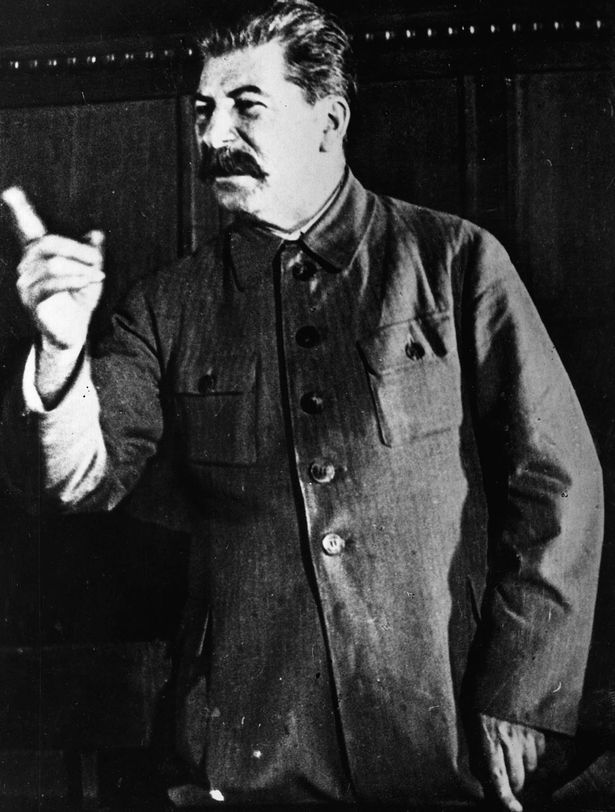
Italy faced devastation from World War I, political unrest, corruption, and economic turmoil. Mussolini deployed fascism and did not hesitate to incite violence to push out his enemies. Mussolini wrote in 1932 about fascism, painting it as a rather delightful system opposing Marxism/Socialism. Mussolini, through fascism, envisioned transforming Italy into another Roman Empire and combatting the evils of communism. He painted democracy in an ugly light and drew people to fascism by again showing fascism was not communism, and it was a far more beneficial system than capitalism/democracy. Still reeling from World War I and the economic disasters worldwide, fascism spoke to depressed, weakened people in a country devastated by war and terrified of communism. Mussolini managed to convince people they NEEDED to have authority, direction, and order to rise again. Broken and unraveled from war, Mussolini’s fascism promised to bundle the people together and keep them safe. Of course, Mussolini failed to mention the complete disregard of human rights, excessive violence, extreme totalitarian control, and military supremacy. Mussolini knew that including such features would taint the appeal of fascism despite the intense fear of communism.

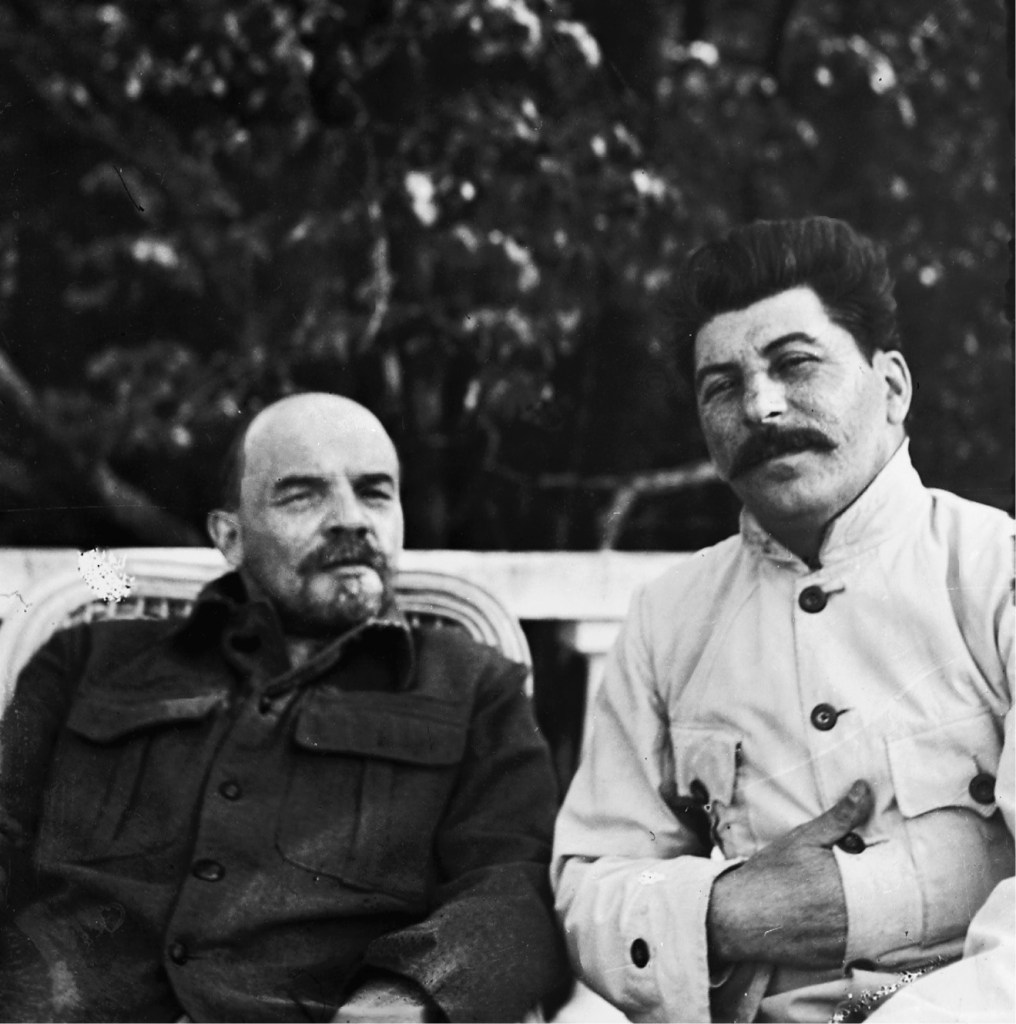
Russia also endured the horrors of World War I while simultaneously experiencing two revolutions and a civil war within its borders. Stalin began a decades-long killing spree as he thrust his tyrannical and communist rule. Stalin’s role as a dictator received a reprieve when he agreed to join the Allies and fight against Nazi Germany and the Axis Powers in World War II. Stalin cleverly pushed his highly propagandized campaign of communism to the back-burner while he played nicely with the Allies. Once the Allies defeated the Axis Powers, Stalin and the Soviet Union gained status and began their ascent into a powerful and respectable country. Stalin wasted no time building the Soviet military and spreading communism throughout the world.
Allied Reaction to Hitler, Mussolini, and Stalin
Hitler, Mussolini, and Stalin served as masters of propaganda, convincing their people to follow blindly and prepare for greatness and glory. Propaganda, however, often holds a short shelf life regarding effectiveness. The totalitarians gained much success from the distracted, war-torn nations who failed to check and address the blistering aggression exercised by Hitler, Mussolini, and Stalin. With so much aggression swelling, the warning signs blared. However, with the shadows of World War I so close in memory, the Allies chose to focus on rebuilding their own countries without too much worry over their busy, angry neighbors.

After World War I, weakened European countries were understandably distracted with their own rebuilding efforts. While they may have given an occasional glance to Germany, there did not appear to be much fuss. France was concerned but knew they could not ignite a war against Germany. France required strength and support from Britain to battle Germany. Chamberlain felt confident that by appeasing Hitler, peace would prevail. The United States swore isolationism, so they left Germany to their own actions and escalating aggression. Hitler knew how to manipulate people, so he had no trouble seeking favors and obtaining appeasement from his enemies. Hitler took full advantage of the apathy and distractions of his European neighbors and the budding isolationism expressed by the United States. Even Mussolini’s blatant attacks in Africa did not arouse attention from the League of Nations. The Allies were continuously suspicious of Stalin and Communism, but they too allowed Stalin to go unchecked. They eventually needed Stalin and the Soviet Union to battle Hitler and the Axis Powers. Stalin made friends with the Allies but reignited his control and spread communism throughout the world once victory over the Axis Powers occurred.
Ultimately, the meteoric rise of Hitler, Mussolini, and Stalin into totalitarians evolved through unchecked aggression. They epitomize a horrifying reality of what can happen when evil leaders are allowed to thrive in chaos, when their aggression escalates and goes unchecked or is outright ignored. History, unfortunately, has a habit of repeating itself when lessons go unlearned.

Bibliography:
Ackermann, Felix, and Sören Urbansky. “Einleitung — Introduction: Reframing Postwar Sovietization: Power, Conflict, and Accommodation.” Jahrbücher Für Geschichte Osteuropas, Neue Folge, 64, no. 3 (2016): 353-62.
Avey, Paul C. “Confronting Soviet Power: U.S. Policy during the Early Cold War.” International Security 36, no. 4 (2012): 151-88.
Churchill, Winston. “Sinews of Peace, 1946.” America’s National Churchill Museum. National Churchill Museum | Westminster College. Accessed March 15, 2022. https://www.nationalchurchillmuseum.org/sinews-of-peace-iron-curtain-speech.html.
Chamberlain, Neville. “Return from the Munich Pact, delivered by Neville Chamberlain, September 30, 1938. Accessed January 20, 2021. https://www.mtholyoke.edu/acad/intrel/neville.htm.
Hitler, Adolf. “Address by Adolf Hitler, September 1, 1939.” The Avalon Project: Address by Adolf Hitler – September 1, 1939. Accessed January 20, 2021. https://avalon.law.yale.edu/wwii/gp2.asp.
Mussolini, Benito. “What Is Fascism.” Accessed January 20, 2021. https://sourcebooks.fordham.edu/mod/mussolini-fascism.asp.
Parker, R.A.C. The Second World War: A Short History. Revised. New York, NY: Oxford University Press, 1989.
“Potsdam Conference July 17-August 2, 1945.” Protocol of the Proceedings, August l, 1945 https://avalon.law.yale.edu/20th_century/decade17.asp
Roberts, Geoffrey. “Moscow’s Cold War on the Periphery: Soviet Policy in Greece, Iran, and Turkey, 1943–8.” Journal of Contemporary History 46, no. 1 (2011): 58-81.
Shearer, David. “Stalin at War, 1918-1953: Patterns of Violence and Foreign Threat.” Jahrbücher Für Geschichte Osteuropas, Neue Folge, 66, no. 2 (2018): 188-217.
Stalin, Joseph. “Speech Delivered by Stalin at a Meeting of Voters of the Stalin Electoral District, Moscow.” February 9, 1946. Wilson Center Digital Archive. Accessed December 14, 2020. https://digitalarchive.wilsoncenter.org/document/116179.
“Yalta Conference Agreement, Declaration of a Liberated Europe,” February 11, 1945, History and Public Policy Program Digital Archive, National Archives. https://digitalarchive.wilsoncenter.org/document/116176
 That History Lady